


LS Swap Guide for Jeep TJ: Engine, Transmission & Adapter Parts
Swapping an LS engine into a Jeep TJ is one of the most popular ways to add reliable V8 power to a 1997 to 2006 Wrangler. The TJ platform is compact, capable, and well supported by the aftermarket, making it a strong candidate for a GM LS or Gen III/Gen IV Vortec engine conversion.
But a successful Jeep TJ LS swap is not just about dropping in a new engine. It is a complete drivetrain conversion. You need to think through engine placement, transmission compatibility, transfer case adapters, motor mounts, clutch components, cooling, exhaust routing, wiring, driveshaft angles, and emissions requirements before the build begins.
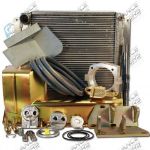
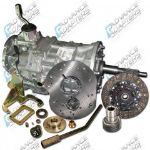
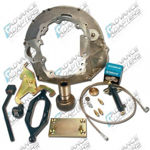
Advance Adapters offers drivetrain conversion packages and Jeep TJ conversion packages designed to help simplify these swaps. The Jeep TJ conversion package category includes V8 conversion options for AX15 and NV3550 transmissions, including LS Gen III/IV package listings.
Why LS Swap a Jeep TJ?
The Jeep TJ came from the factory with proven engine options, but many owners eventually want more torque, better highway drivability, and improved performance with larger tires, added armor, low gearing, or heavier trail use.
An LS swap can give a TJ:
- More low-end torque for off-road driving
- Better highway passing power
- Strong aftermarket support
- Modern fuel injection
- Multiple displacement options
- A compact V8 platform with broad parts availability
For most TJ owners, the goal is not simply peak horsepower. The real benefit is usable torque, dependable drivability, and a drivetrain that matches how the Jeep is actually used.
Start With the Drivetrain, Not Just the Engine
Before choosing parts, define the full drivetrain combination. Your LS swap plan should include:
- Engine family, such as Gen III or Gen IV LS/Vortec
- Transmission choice
- Transfer case choice
- Clutch or torque converter setup
- Motor mounts
- Cooling system
- Fuel system
- Wiring and ECU plan
- Driveshaft changes
- Axle strength and gearing
- Emissions and inspection requirements
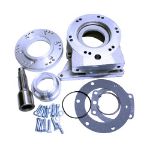
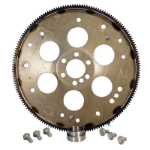
Advance Adapters organizes swap solutions around major drivetrain categories, including adapters, bellhousing adapter kits, transfer case adapter kits, GM Gen III/IV/V flexplate and flywheel adapters, AX15 adapter packages, NV3550 retrofit adapter packages, transmission components, transfer cases, clutch systems, cooling parts, engine accessories, and engine and motor mounts.
That matters because every drivetrain decision affects the next one. A transmission change can alter transfer case position. Engine placement can affect exhaust clearance. Transfer case location can change driveshaft length and operating angle. Planning the full system early helps reduce rework.
Jeep TJ LS Swap Transmission Options
One of the biggest decisions is whether to keep a Jeep manual transmission or swap to a GM automatic.
Keeping the AX15
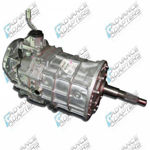
The AX15 is a popular manual transmission found in many Jeep applications and is commonly considered for V8 swap projects. Advance Adapters lists Jeep TJ V8 conversion package options for AX15 adapter packages, including an LS Gen III/IV package.
Keeping the AX15 can be appealing for drivers who want to preserve a manual driving experience. However, the swap still requires the correct adapter, clutch components, pilot bearing or bushing solution, hydraulic setup, transmission positioning, and transfer case connection.
Keeping the NV3550
The NV3550 is another common TJ manual transmission. Advance Adapters lists NV3550 retrofit adapter packages, including TJ V8 NV3550 package options for LS Gen III/IV applications.
For builders who want to keep the Jeep’s manual transmission layout, the NV3550 path can make sense when the rest of the drivetrain is planned correctly.
Swapping to a GM Automatic
Some TJ owners prefer a GM automatic transmission behind the LS engine. Automatics can work well off-road because they provide smooth throttle control and reduce clutch work in technical terrain. Common considerations include transmission length, transfer case adaptation, shifter setup, transmission cooling, wiring, and driveshaft changes.
Engine Mounts and Placement
Engine placement is one of the most important parts of a Jeep TJ LS swap. The engine must be positioned to maintain clearance around the firewall, hood, radiator, steering shaft, exhaust, oil pan, front axle, transmission tunnel, and front driveshaft.
Do not rush this step. Even a small placement issue can create problems with exhaust routing, driveshaft angle, cooling fan clearance, or steering interference.
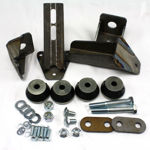
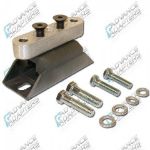
Advance Adapters includes engine and motor mounts as a major category, with Jeep mounts available for Jeep-specific drivetrain planning.
Transfer Case Compatibility
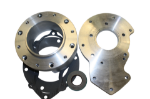
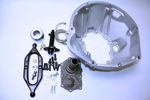
A TJ swap is not complete until the transfer case is addressed. Depending on the transmission, transfer case, and intended use, the build may require a transfer case adapter, input shaft, shifter bracket, linkage solution, slip yoke eliminator, heavy-duty output kit, or related hardware.
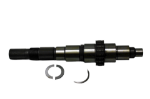
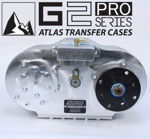
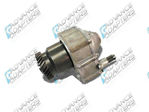
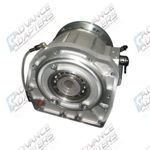
Advance Adapters’ transfer cases category includes Atlas transfer cases, transfer case upgrade parts, slip yoke eliminator kits, heavy-duty output kits, shifter kits, transfer case input shafts, rebuild kits, yokes, linkage brackets, and New Process 231 related parts.
For many TJ builders, the NP231 transfer case is part of the original drivetrain conversation. Others may choose to upgrade based on tire size, gearing needs, or trail use.
Cooling System Planning
Cooling is one of the most important support systems in a Jeep TJ LS swap. A V8-powered TJ needs a cooling system that can manage highway driving, slow trail speeds, hot weather, and extended climbs.
Plan for:
Radiator fitment
Fan selection
Steam port routing
Coolant hose routing
Transmission cooler needs
Temperature sensor compatibility
Clearance between the radiator, fan, and engine accessories
Advance Adapters’ cooling category includes radiators, fan kits, water pumps and thermostats, and temperature sensor kits. It also includes radiator categories for Jeeps from 1987 to 2006, which aligns with YJ and TJ era Jeep applications.
Clutch, Flywheel, and Hydraulic Components
Manual transmission LS swaps require careful clutch planning. The clutch system must match the engine, flywheel, bellhousing, transmission input, release bearing, hydraulic system, and intended vehicle use.
Advance Adapters’ clutch systems category includes clutch kits, slave cylinders, flywheels, hydraulic fittings and hoses, release bearings, release arms, pressure plates, clutch discs, clutch linkage controls, and clutch alignment tools.
This is an area where using a matched conversion package or verified parts list can save time and prevent compatibility issues.
Exhaust, Steering, and Clearance
The Jeep TJ engine bay is tight, and an LS swap adds packaging challenges. Before final welding, routing, or assembly, check clearance around:
- Steering shaft
- Frame rails
- Exhaust manifolds or headers
- Starter
- Oil pan
- Front driveshaft
- Transmission tunnel
- Transfer case shifter
- Radiator and fan
- Brake lines and fuel lines
Exhaust clearance is especially important because the steering shaft and frame leave limited room. Trial fitting before final installation helps prevent costly changes later.
Builders should also consider related parts such as headers, steering kits and accessories, transfer case shifter components, and front driveshaft clearance before finalizing the drivetrain position.
Wiring, ECU, and Fuel Delivery
A modern LS swap requires a clear wiring and fuel plan. Builders need to decide whether to use a modified GM harness, standalone harness, or integrated system. The ECU may need programming based on engine, transmission, emissions equipment, and tire or gear changes.
Fuel delivery also needs attention. Most LS engines require a fuel system designed for electronic fuel injection, including the proper pump, regulator, filter, pressure, and return or returnless configuration.
Driveshafts, Gearing, and Axles
Changing the engine and transmission combination can change driveshaft length and angles. Suspension lift, body lift, transfer case position, axle location, and transmission length all affect the final setup.
A more powerful engine can also expose weak links in the drivetrain. Axles, U-joints, gears, transfer case components, and driveshafts should be evaluated before the Jeep is used hard off-road.
Advance Adapters offers related drivetrain support categories, including gearing options, transfer case parts and accessories, universal joints, and yokes.
Emissions and Legal Requirements
Before starting an LS swap, check local emissions and inspection rules. Requirements vary by state and locality. Some areas may require the engine to be the same year or newer than the vehicle, retain emissions equipment, use catalytic converters, and pass OBD or visual inspection.
Confirm the rules before buying parts or removing the original drivetrain.
Jeep TJ LS Swap Parts Checklist
Use this checklist before starting your Jeep TJ LS swap:
|
Swap Area |
Parts to Confirm |
|
Engine |
LS or Gen III/Gen IV engine |
|
Transmission |
Transmission choice, bellhousing adapter or transmission adapter |
|
Mounting |
Engine and motor mounts, crossmember and mount planning |
|
Clutch or Automatic Setup |
Flywheel or flexplate solution, clutch system or torque converter, pilot bearing or bushing |
|
Transfer Case |
Transfer case adapter or input solution, transfer case shifter or linkage parts |
|
Cooling |
Cooling system, radiator and fan setup |
|
Fuel and Electronics |
Fuel system, wiring harness and ECU |
|
Exhaust and Driveline |
Exhaust routing, driveshaft modifications |
|
Axles and Compliance |
Axle and gearing review, emissions compliance plan |
Why Use Advance Adapters for a Jeep TJ LS Swap?
Advance Adapters specializes in drivetrain conversion parts for engine swaps, transmission swaps, transfer case conversions, and off-road drivetrain upgrades. The company’s website organizes parts by the categories builders need during a TJ LS swap, including adapter kits, drivetrain conversion packages, transfer cases, transmissions, mounts, clutch systems, cooling, steering, engine accessories, and technical literature.
For Jeep TJ owners, this makes it easier to build a complete parts plan instead of sourcing unrelated components one at a time. A successful LS swap depends on compatibility between the engine, transmission, transfer case, clutch system, mounts, cooling, and supporting hardware.
Builders who need additional technical information can also review the Tech Vault Knowledge Base for more drivetrain conversion resources.
Final Thoughts
A Jeep TJ LS swap can transform a Wrangler into a more powerful, more capable, and more enjoyable vehicle. But the best swaps are planned as complete drivetrain systems, not just engine installations.
Before you start, choose the engine, transmission, transfer case, adapter components, mounts, cooling system, clutch parts, and wiring strategy together. That approach helps avoid fitment problems and gives the TJ a stronger foundation for street driving, trail use, and long-term reliability.
Ready to plan your Jeep TJ LS swap? Explore Advance Adapters Jeep TJ conversion packages, drivetrain adapters, transfer case parts, cooling components, clutch systems, and engine accessories to build the right combination for your Wrangler.
Ready to plan your Jeep TJ LS swap? Explore Advance Adapters Jeep TJ conversion packages, drivetrain adapters, transfer case parts, cooling components, clutch systems, and engine accessories to build the right combination for your Wrangler.