


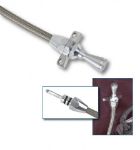
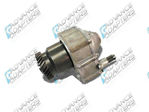
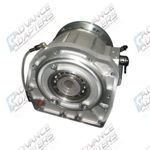
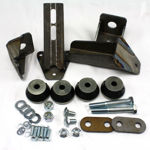
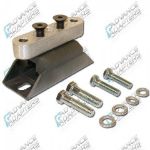

Release Arms, Pivots & Boots
Ensure Precise Clutch Control
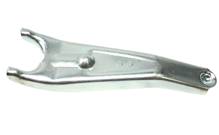
The clutch release arm (or clutch fork) is the leverage point of your entire manual transmission system. When you press the pedal, this arm pivots to push the release bearing against the pressure plate. If your fork flexes, cracks, or has worn pivot points, you will experience a "mushy" pedal, incomplete disengagement, or grinding gears.
At Advance Adapters, we specialize in heavy-duty cast iron release arms and conversion-specific forks that correct geometry issues common in engine swaps. Whether you are building a Jeep CJ, a V8 Toyota Land Cruiser, or a custom hot rod, our components ensure your clutch force makes it to the pressure plate without deflection.
The Problem: Stamped Steel vs. Cast Iron
Many factory clutch forks are made of stamped steel. Under the high load of a performance pressure plate or heavy-duty off-road clutch, these stamped arms can flex. This flex reduces the travel of the release bearing, preventing the clutch from fully disengaging.
The Advance Adapters Solution: We offer Cast Iron GM Release Arms which are significantly more rigid than stamped steel counterparts. This rigidity ensures that every inch of pedal travel translates directly to clutch movement, providing a consistent engagement point and a solid pedal feel.
Product Categories
Conversion & Heavy-Duty Release Arms
We engineer forks specifically for difficult drivetrain combinations.
- GM Cast Iron Arms: The gold standard for strength. ideal for Chevy V8 conversions.
- Toyota V8 Conversion Arms: Modified GM arms designed specifically for Toyota Truck V8 conversions (using 168-tooth flywheels), ensuring the fork clears the bellhousing while maintaining proper geometry.
- Jeep & Ford Replacements: Heavy-duty replacements for worn-out stock units, including Getrag and standard Jeep applications.
Essential Hardware: Pivots, Boots & Springs
A worn pivot ball can cause the fork to pop off or bind. We stock the necessary small parts to finish the job right:
- Adjustable Pivot Balls: Essential for dialing in the correct fork angle inside the Bellhousing.
- Dust Boots: Keep mud, water, and trail debris out of your bellhousing to protect the clutch facing.
- Return Springs & Clips: Critical for preventing the release bearing from "riding" the pressure plate, which leads to premature bearing failure.
Technical Guide: Signs of a Failing Clutch Fork
If you have replaced your master cylinder and slave cylinder but still have clutch issues, check the mechanical linkage inside the bellhousing.
- The "Clicking" or "Popping" Pedal If you feel a pop through the pedal, the clutch fork may have worn through the pivot ball or the retention spring may be broken. This allows the fork to dislodge from the pivot, altering the leverage ratio.
- Clutch Drag (Hard Shifting) If the clutch fork is bent or flexing (common in stamped steel arms), the release bearing will not push the pressure plate fingers far enough to release the clutch disc. This makes it difficult to shift into first or reverse.
- Uneven Wear on the Release Bearing Inspect the "fingers" of the fork where they contact the Release Bearing. If these pads are worn unevenly, the bearing will be pushed at an angle, leading to squeaking noises and rapid bearing failure.
Frequently Asked Questions (FAQ)
What grease should I use on the clutch fork and pivot?
Metal-on-metal contact points require lubrication to prevent wear and noise. Apply a small amount of high-pressure wheel bearing grease (Lithium Complex) to the pivot ball and the contact pads where the fork meets the release bearing. Do not over-grease, as excess can fling onto the clutch disc.
Why is my clutch pedal return spring important?
The external or internal return spring ensures the release arm pulls the throw-out bearing away from the pressure plate when you release the pedal. Without this spring, the bearing may constantly spin against the pressure plate fingers, leading to overheating and premature failure.
Can I use a GM release arm on my Toyota conversion?
Yes, but geometry is key. For many Chevy V8 into Toyota Land Cruiser/Truck swaps, we recommend our modified release arms (e.g., P/N 716179V) which are machined to clear the specific bellhousing contours while utilizing the strength of the GM casting.
How do I know if my pivot ball height is correct?
When the release bearing is resting against the pressure plate fingers, the clutch fork should generally be angled slightly forward (towards the engine) or neutral. If the angle is too severe, you may run out of travel or bind the linkage. Adjustable pivot balls help correct this in custom setups.

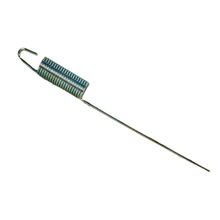
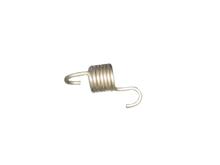
T/O ARM INT. RETURN SPRING
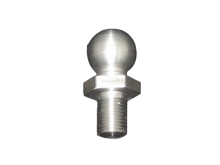
BALL PIVOT-AA BELL HOUSING
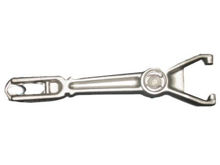
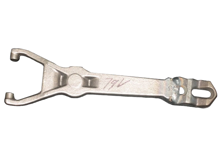
THROW OUT ARM- TOY P/U TO GM VORTEC
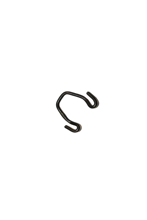
GM THROW-OUT LEVER SPRING CLIP
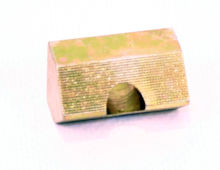


JEEP THROW OUT ARM

- 1
- 2